
INSULIN RESISTANCE AND WEIGHT-LOSS
What is insulin resistance?
Insulin is a hormone made by the pancreas that helps glucose (the body’s main source of fuel) in the blood enter the muscle, fat and liver cells, where it is used for energy. Glucose comes from the food we eat. When glucose levels rise after a meal the pancreas releases insulin into the blood, which then lowers glucose to keep it in the normal range.
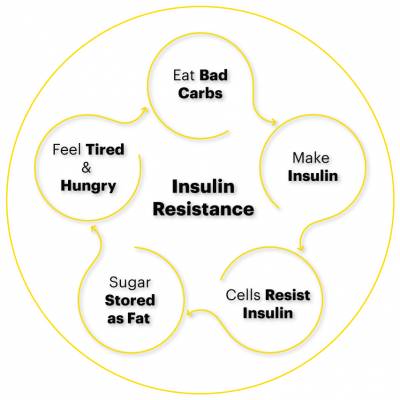
Insulin Resistance is a condition where the cells start resisting or ignoring the signal that the insulin is trying to send out- which is to take the glucose up from the blood stream and transport it to the cells. As insulin resistance progresses, the body fights back by producing more insulin. Over time the beta cells in the pancreas get worn out and can no longer keep pace with the demand for more and more insulin. This eventually leads to prediabetes and Type 2 Diabetes.
While genetics, aging and ethnicity all play a role in developing insulin resistance, the most common causes include obesity, abdominal fat (the typical “apple figure”), a sedentary lifestyle, smoking, and an unhealthy diet.
Common symptoms of insulin resistance include:
- Chronic tiredness
- Excessive hunger and cravings for sugar
- Difficulty concentrating
- Weight gain (especially abdominally)
- Difficulty losing weight
- Excessive hairiness
- Insulin resistance also increases the risk of developing:
- High triglyceride levels (“bad” cholesterol)
- Low HDL levels (“good” cholesterol)
- High blood pressure
- Elevated glucose levels (high blood sugar)
Can insulin resistance be reversed?
The good news is that insulin resistance is reversible! An imbalance in insulin and glucose levels can be easily managed with diet and lifestyle changes.
In a study by the University of New Mexico School of Medicine, which was published in the International Journal of Obesity, over-weight people who lost 10% of their body weight with diet and exercise, saw their insulin sensitivity improve by 80%.
Whilst it is clear that exercising and losing weight play an important part in reversing insulin resistance, making the appropriate dietary changes is crucial:
- Eliminate processed foods as they are usually high in sugar and fat
- Eliminate trans fatty acids (these are found mainly in deep fried foods and commercially bought confectionary)
- Limit intake of saturated fats (mainly found in animal products like fatty meats and full cream dairy products)
- Eliminate sugar, and sugar containing foods and beverages
- Limit your total daily kilojoule intake. VLCD Diets (Very Low Calorie Diets) have been shown to be very effective in controlling insulin levels
- Increase your vegetable intake as they are high in fibre, but low in kilojoules and carbohydrates. It is important to limit intake of starchy vegetables like potato, sweet potato, yellow pumpkin, peas, beetroot and corn. These are higher in carbohydrates and kilojoules
- Include more fruit in your diet, as they are rich in fibre, vitamins and minerals. Stay away from fruit juice, dried fruit and tinned fruit, as these are high in sugar
- Incorporate lean protein in your diet like chicken breast, lean red meat, fish, ostrich and eggs. Plant based proteins like lentils, red beans, and chickpeas are also beneficial as they are high in fibre.
- Include “good fats” in your diet like avocado, olives, olive oil, nuts and seeds, as these can help lower insulin levels
- Swop your coffee for a cup of green tea. Studies have shown that drinking green tea significantly reduces blood glucose, and improves insulin sensitivity. This could be due to the powerful antioxidant epigallocatechin gallate (EGCG), which many studies have shown to improve insulin sensitivity
There are a few natural supplements that have also been shown to increase insulin sensitivity. The most common ones are chromium, magnesium and resveratrol:
- Chromium is a mineral involved in carbohydrate and fat metabolism. Studies have found that taking chromium picolinate supplements in doses of 200 – 1000 mcg could improve then ability of insulin receptors to reduce blood glucose levels
- Magnesium is a mineral that works with insulin receptors to store blood glucose. Studies have found that low blood magnesium is linked to insulin resistance. Taking magnesium may thus help increase insulin sensitivity
- Resveratrol is a polyphenol found in the skin of red grapes and berries, which has been shown to increase insulin sensitivity
Can I lose weight on CSN if I am insulin resistant?
The CSN Program has been scientifically proven to not only lead to rapid weight-loss, but also diabetes remission in Type 2 insulin dependent diabetics.
The CSN eating plan includes only fresh, unprocessed foods, all types of refined sugar are excluded, carbohydrate intake is limited, and kilojoule intake is restricted.
The CSN Program also includes a range of natural plant and vegetable based supplements:
- The NHS supplement includes dehydrated vegetable extracts, which are high both in soluble and insoluble fibre to help lower insulin levels
- The AloeMag supplement contains a significant amount of Magnesium which increases insulin sensitivity. The aloe component of the supplement also helps control glucose levels
- The Barley Grass supplement is a natural appetite suppressant as it promotes a feeling of fullness which consequently leads to gradual weight-loss
Even if you are insulin resistant you can still expect to lose 3-8% of your current body weight on the CSN 10 Day Detox Program!